

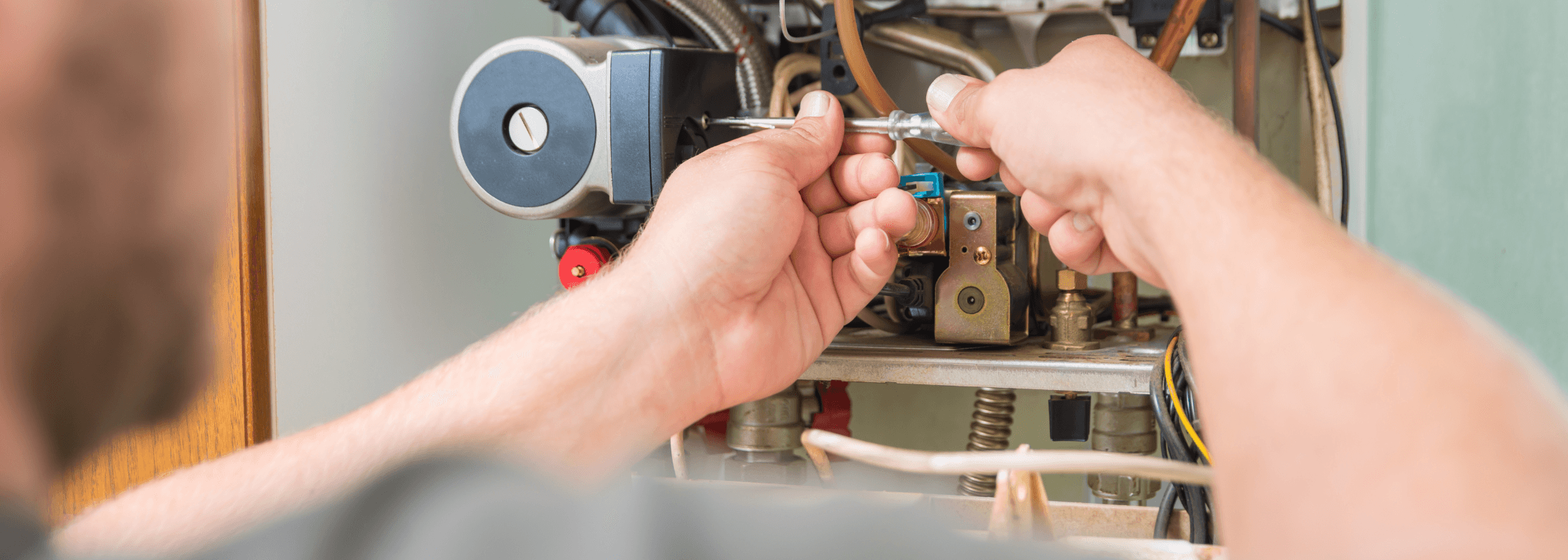
It is not uncommon for homeowners to experience ignition failure in their furnace early in the heating season. Many people assume this means a major repair is needed, but in reality, a large number of burner failures are preventable.
In many cases, the issue is caused by airborne contaminants entering the furnace and interfering with critical ignition components like the flame rod or ignitor. Understanding what causes these problems can help you avoid inconvenient breakdowns and extend the life of your heating equipment.
What happens during an ignition failure
When your furnace starts, the burner assembly ignites the gas and a flame sensor, often called a flame rod, confirms that combustion is happening safely. If the flame rod or ignitor becomes coated with residue or contamination, the furnace may fail to ignite or shut down shortly after starting as a safety measure.
This can result in no heat, short cycling, or repeated failed starts, often at the worst possible time during cold weather.
Common household items that cause burner contamination
Many homeowners are surprised to learn that everyday products stored or used near the furnace can lead to ignition problems. These products release airborne particles or chemical vapours that are drawn into the furnace during operation.
Some of the most common culprits include:
- Cleaning supplies such as sprays, solvents, and disinfectants
- Laundry detergents and fabric softeners
- Cat litter boxes located near the furnace
- Pet food and pet bedding
- Fertilizers or lawn and garden products
- Cigarette smoke
Over time, these contaminants can coat sensitive furnace components, affecting proper flame detection and ignition.
Why this is more common early in the heating season
During the warmer months, furnaces often sit idle for long periods. When the system is turned back on in the fall, any residue that has built up over the off season can immediately cause issues.
Early season ignition failures are often the first sign that contaminants have been affecting the system while it was not running regularly.
How to reduce the risk of burner failure
Preventing ignition issues is often as simple as adjusting how the space around your furnace is used.
Here are a few practical steps homeowners can take:
- Keep cleaning products, detergents, and chemicals stored away from the furnace area
- Avoid placing cat litter boxes near the furnace or mechanical room
- Store pet food and garden products in sealed containers outside the furnace space
- Do not smoke near the furnace or inside the home if possible
- Make sure the furnace area has good airflow and is kept clean
- Replace furnace filters regularly to reduce airborne particles
These small changes can significantly reduce contamination and help your furnace operate reliably.
The role of regular maintenance
Annual furnace maintenance allows a technician to inspect and clean ignition components before they cause problems. A simple cleaning of the flame rod or ignitor during a routine checkup can prevent unexpected breakdowns and improve system reliability throughout the winter.
Maintenance also helps identify environmental factors that may be contributing to repeated ignition issues.
Final Tech Talk: Burner Failures
Burner failures can be frustrating, especially when they happen on the first cold nights of the season. The good news is that many ignition problems are preventable with a few adjustments around the home and regular furnace care.
Keeping contaminants away from your furnace and scheduling routine maintenance can help your heating system last longer, run cleaner, and keep your home comfortable all winter long.
If you are experiencing ignition issues or want to book a seasonal furnace checkup, our team is here to help.